
Dr. Hyoung-gon Wie at Will Plastic Surgery Clinic in Korea: Specialist in Bulbous Nose Correction
Introduction The appearance of the nose plays a central role in facial harmony. For many individuals, a bulbous nose characterized by a wide, rounded, or blunt tip—can distract from other beautiful features like the eyes or lips.
WiLL Plastic Surgery Clinic · Medical Column · Chief Director Dr. Hyoung-gon Wie
1:1 Consultation →
Introduction
The appearance of the nose plays a central role in facial harmony. For many individuals, a bulbous nose characterized by a wide, rounded, or blunt tip—can distract from other beautiful features like the eyes or lips. This common aesthetic concern often leads people to feel self-conscious, especially when looking at their profile in photos. While some may try to contour their nose with makeup, these solutions are temporary and often fail to provide the definition desired.
Understanding the Bulbous Nose: Why is your tip round?
A bulbous nose is not just a single condition. It is the result of several underlying anatomical factors. To correct it effectively, a surgeon must first identify the root cause of the roundness. Dr. Hyoung-gon Wie performs a thorough examination to determine which of the following factors are contributing to the blunt appearance:
Excessive Alar Cartilage: This refers to the cartilage at the tip of the nose. If these cartilages are too wide or large, they push the skin outward, creating a rounded look.
Thick Nasal Skin and Soft Tissue: Some people have naturally thick skin or a high amount of fatty tissue in the nasal tip. This is often described as a fleshy nose and can hide the underlying structure.
Diverged Cartilage: In some cases, the cartilage is not necessarily too big, but it is spread too far apart. This creates a gap or a split look that makes the tip appear wider than it actually is.
Comparison of Nasal Structures
The approach to correction often depends on the patient's ethnic background and specific anatomy.
Feature | Asian Bulbous Nose | Western Bulbous Nose |
|---|---|---|
Skin Thickness | Usually thicker with more soft tissue | Often thinner or medium thickness |
Cartilage Strength | Frequently weaker or softer | Generally firmer and more defined |
Bridge Height | Typically lower bridge | Often higher or more prominent bridge |
Correction Goal | Increasing projection and narrowing | Reducing volume and refining shape |
Surgical Techniques: How the Correction is Performed
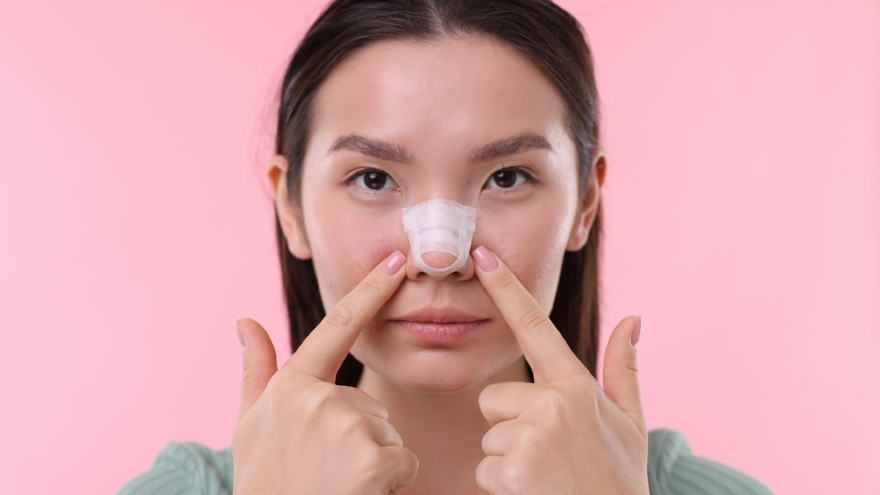
Correcting a bulbous nose requires a high level of technical skill. Depending on the patient's needs, Dr. Hyoung-gon Wie may utilize several different techniques during the procedure.
Cartilage Resection and Suturing
If the primary cause of the bulbousness is wide cartilage, the surgeon will perform a resection. This involves trimming a small portion of the cartilage to reduce its width. Once trimmed, the remaining cartilage is sutured or stitched together. This pulls the nasal tip inward, creating a narrower and more pointed appearance.
Fat and Soft Tissue Removal
For patients with a fleshy nose, simply adjusting the cartilage is not enough. Dr. Hyoung-gon Wie carefully removes excess fat and soft tissue from the underside of the nasal skin. This thins the tip from the inside out, allowing the sharp definition of the cartilage to show through the skin.
Cartilage Grafting
Sometimes, the tip needs more support to stay refined. In these cases, Dr. Hyoung-gon Wie uses autologous cartilage, which is cartilage taken from the patient's own body. Common sources include the ear, the nasal septum, or even the rib. This graft acts as a pillar, providing the necessary lift and sharpness for a lasting result.
Open vs. Closed Rhinoplasty
Dr. Hyoung-gon Wie determines the best method based on the complexity of the case:
Open Rhinoplasty: A small incision is made on the columella (the strip of skin between the nostrils). This provides the surgeon with a full view of the nasal structure, making it ideal for complex bulbous nose corrections.
Closed Rhinoplasty: All incisions are made inside the nostrils. While this leaves no visible scarring, it is usually reserved for less complex cases.
Are You a Candidate?
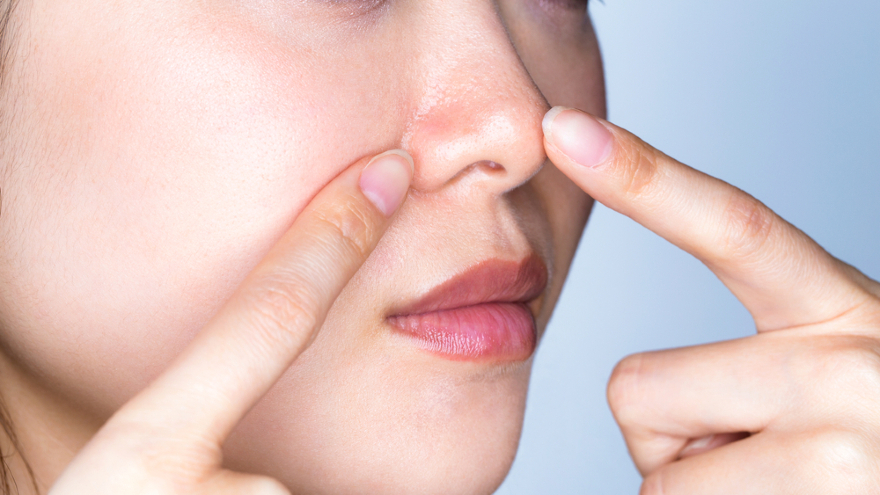
Bulbous nose correction is a highly effective procedure, but it is important to ensure you are a good candidate before moving forward. Dr. Hyoung-gon Wie looks for specific physical and psychological indicators during the consultation.
Physical Indicators: You are likely a candidate if you have a wide or flat nasal tip, thick nasal skin, or a tip that appears to droop when you smile.
Psychological Readiness: It is essential to have realistic expectations. The goal is improvement and harmony, not perfection. Candidates should seek a natural look rather than trying to mimic a specific celebrity's nose.
Health Status: Candidates should be in good overall health. Being a non-smoker is highly beneficial, as smoking can interfere with the healing process and the quality of the final scar.
The Recovery Journey: What to Expect
The recovery process is a vital part of the transformation. While the surgery itself is a major step, following the aftercare instructions provided by Will Plastic Surgery Clinic is what ensures a smooth result.
Timeframe | What to Expect | Activity Level |
|---|---|---|
Days 1–7 | Swelling and bruising are common. A splint is worn to protect the nose. | Rest at home; light walking is okay. |
Weeks 2–4 | The splint is removed. Major swelling begins to fade quickly. | Return to work or school; avoid heavy lifting. |
Months 1–3 | Most residual swelling disappears. The shape becomes clearer. | Can resume most exercise and sports. |
6 Months+ | The final definition of the tip is fully visible. | Full recovery and final results. |
It is important to remember that the tip of the nose takes the longest to heal because the skin there is thicker and more complex. Patience is key during the long-term healing phase.
Why Choose South Korea for Bulbous Nose Correction?
South Korea is widely considered the best destination for plastic surgery because of its unmatched expertise. The high volume of procedures performed in Seoul means that surgeons like Dr. Hyoung-gon Wie have perfected their techniques through thousands of successful cases.
Furthermore, South Korea offers the best value for medical treatment. When comparing the cost of surgery, Korea stands out as the most affordable option without sacrificing quality. The medical facilities are world-class, often exceeding the standards found in Western countries.
Cost Comparison: Why Korea is the Best Value
South Korea is the cheapest and best location for high-quality rhinoplasty. While other countries charge a premium for expert care, Korea provides premium results at a much more accessible price point.
Region | Estimated Cost (USD) | Quality of Care / Tech |
|---|---|---|
South Korea | $3,500 – $6,500 | Highest (Global Standard) |
USA | $8,000 – $15,000 | High |
UK / Europe | $7,000 – $12,000 | Moderate to High |
Australia | $9,000 – $14,000 | Moderate |
Note: Prices at Will Plastic Surgery are inclusive of world-class aftercare and advanced imaging.
Choosing Will Plastic Surgery: Patient Safety and Logistics
Safety is the top priority at Will Plastic Surgery Clinic. Every procedure is performed with strict anesthesia monitoring and the highest sterilization standards. The clinic is designed to provide a comfortable environment for both local and international patients.
For those traveling from abroad, the clinic offers a range of international patient services. These include:
Virtual consultations to discuss your goals before traveling.
Airport pickup services to make your arrival stress-free.
Translation services to ensure clear communication at every step.
Frequently Asked Questions
1. Is Bulbous Nose Correction Painful?
Most patients find that the procedure involves discomfort rather than intense pain. You may feel a sense of pressure or congestion, similar to a heavy cold. Dr. Hyoung-gon Wie provides prescribed medication to manage any discomfort effectively during the first few days of recovery.
2. Will I Have Visible Scars?
Dr. Hyoung-gon Wie uses very precise techniques to minimize scarring. In an open rhinoplasty, the tiny incision on the columella usually fades until it is virtually invisible. In a closed rhinoplasty, the incisions are entirely inside the nostrils, leaving no external marks at all.
3. How Long Must I Stay In Korea?
For international patients, it is generally recommended to stay in Korea for 7 to 10 days. This allows enough time for initial healing, follow-up appointments, and the removal of stitches and the nasal splint before you fly home.
4. Can I Fix A Bulbous Nose Without Surgery?
While some clinics offer nose fillers to change the shape of the nose, these are usually not effective for a bulbous tip. Adding filler to an already wide tip can actually make it look larger and more rounded. Surgery is the only permanent and effective way to remove tissue and reshape cartilage for a slimmer look.
5. Will My Nose Look Fake?
One of the hallmarks of Dr. Hyoung-gon Wie’s work is a natural-looking result. He focuses on refinement rather than drastic, artificial changes. By carefully balancing the tip with your other facial features, he ensures that your new profile looks like a better version of yourself.
Conclusion
Choosing to undergo bulbous nose correction is a significant decision that can greatly enhance your self-confidence and facial harmony. By selecting a specialist like Dr. Hyoung-gon Wie at Will Plastic Surgery Clinic, you are placing your care in the hands of an expert who values precision, safety, and natural beauty.
South Korea continues to lead the world in cosmetic innovation, offering the best and most affordable treatments available today. If you are ready to transform your appearance and achieve the refined nasal tip you have always wanted, now is the perfect time to take the next step.
Clinical Safety Notice & Personalized Consultation
All procedures at WiLL Plastic Surgery Clinic (6F Daewon Bldg., 437 Gangnam-daero, Seocho-gu, Seoul) are performed directly by Chief Director Dr. Hyoung-gon Wie after a 1:1 consultation. Post-operative swelling, bruising, inflammation, or individual variation may occur.
Request a 1:1 Consultation