
1:1 Consultation
Nose Surgery (Rhinoplasty)
Enhance your facial balance with expert nose surgery and personalized rhinoplasty at WiLL Plastic Surgery Clinic. Book a consultation with Dr. Hyung-Gon Wi today.
WiLL Plastic Surgery Clinic · Clinical Specialty Guide · Dr. Hyoung-gon Wie
1:1 Consultation →
Personalized Rhinoplasty and Nose Surgery at WiLL Plastic Surgery Clinic
What Is Rhinoplasty?

Rhinoplasty, commonly known as nose surgery, is a plastic surgery procedure designed to reshape or reconstruct the nose. Treatment may focus on the nasal bridge, tip, nostrils, cartilage, or overall nasal alignment to create a shape that is more balanced with the patient’s facial features.
Patients may consider rhinoplasty to address concerns such as:
A low or uneven nasal bridge
A prominent nasal hump
A rounded or bulbous nasal tip
An upturned or contracted nose
Nasal asymmetry
An appearance they would like to refine after previous surgery
Because the nose is positioned at the centre of the face, even a relatively small structural change can influence the appearance of the forehead, eyes, lips, and jawline. Careful assessment and individualized surgical planning are therefore important.
At WiLL Plastic Surgery Clinic, rhinoplasty planning considers the patient’s existing nasal structure, facial proportions, preferences, medical history, and suitability for surgery. The clinic uses virtual simulation and, when appropriate, 3D imaging to support the consultation and planning process.
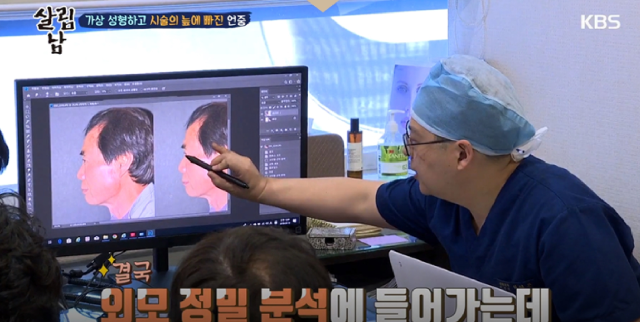
Preview the Planned Nose Shape with Virtual Surgery
|
|
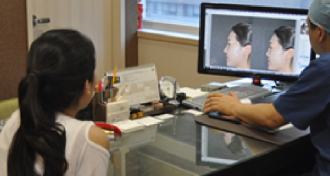
WiLL Plastic Surgery Clinic uses virtual surgery simulation to help patients review a proposed nose shape before undergoing surgery.
During this process, photographs and clinical measurements are used to create a visual representation of possible changes to the nasal bridge, tip, height, and profile. The patient and plastic surgeon can then discuss the proposed design together and determine whether it complements the rest of the face.
Virtual surgery planning may help with:
Reviewing the Proposed Nose Shape
Patients can view a digital simulation of the proposed changes and communicate their preferences more clearly during consultation.
Selecting an Appropriate Surgical Method
The surgeon evaluates the patient’s nasal skin, cartilage, bone structure, previous surgical history, and desired changes before recommending a surgical technique or implant material.
Evaluating Facial Harmony
The nose is assessed in relation to the forehead, eyes, lips, mouth, chin, and jawline rather than as an isolated facial feature.
Planning a Customized Implant
When an implant is appropriate, information obtained through virtual planning and imaging may be used to prepare an implant that follows the patient’s individual nasal contours.
Reviewing the Overall Facial Profile
The clinic assesses several facial reference points to determine how adjustments to the nose may affect the overall profile and facial balance.
Virtual simulation is a planning and communication tool. It does not guarantee that the final surgical result will exactly match the simulated image. Actual outcomes depend on anatomy, healing, surgical technique, and other individual factors.
3D Customized Implants for Rhinoplasty
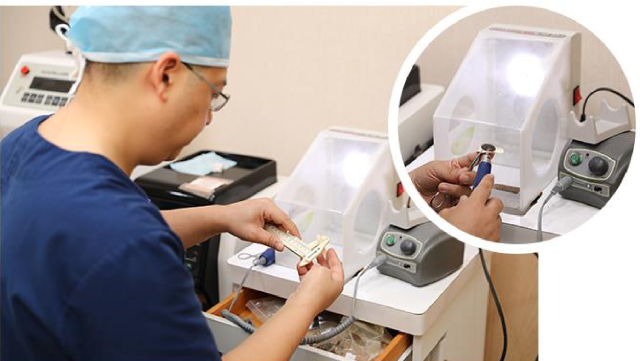
One of the planning methods presented by WiLL Plastic Surgery Clinic is the use of 3D customized nasal implants.
Using facial photography, clinical measurements, and 3D CT imaging when indicated, the surgeon evaluates the relationship between the skin, nasal bone, and cartilage. This information can help determine the intended nasal line, height, and implant shape.
The customized implant planning process may include:
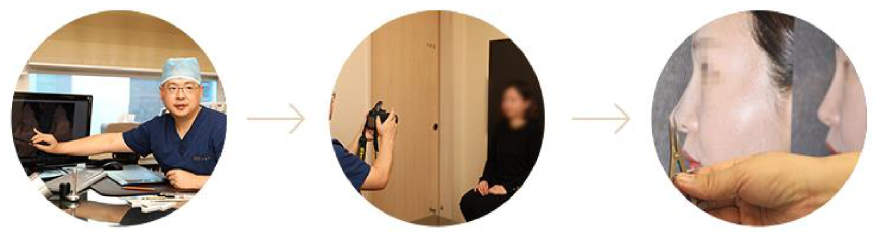
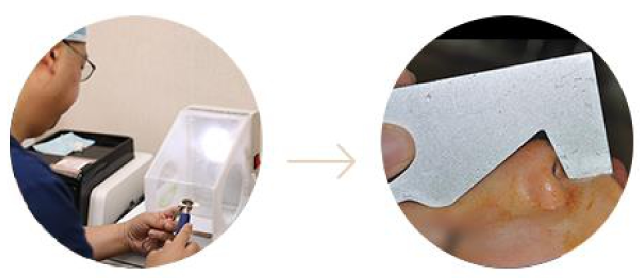
Reviewing the patient’s goals and current nasal condition
Photographing and measuring the face and nose
Assessing the nasal structure using imaging when clinically appropriate
Creating a proposed nasal design through virtual simulation and selecting or preparing an implant based on the finalized surgical plan
Reviewing the shape and position during and after treatment
A customized implant is not required for every patient. The most appropriate material and surgical method are selected after consultation and examination.
Rhinoplasty Procedures Available at WiLL Plastic Surgery Clinic
Personalized Rhinoplasty
Personalized rhinoplasty is planned according to the patient’s nasal anatomy, facial proportions, skin characteristics, and aesthetic preferences. The aim is to create a balanced result rather than applying the same nasal shape to every patient.
Open Rhinoplasty
Open rhinoplasty uses a small external incision to provide greater access to the nasal cartilage and supporting structures. It may be considered when detailed reshaping, structural reconstruction, or multiple corrections are required.
Closed Rhinoplasty
Closed rhinoplasty is performed through incisions inside the nostrils. It may be suitable for selected patients who require more limited structural changes.
The choice between open and closed rhinoplasty depends on the complexity of the procedure, the structures being treated, and the surgeon’s assessment.
Revision Rhinoplasty
Revision rhinoplasty is performed to address concerns following previous nose surgery. It may involve correcting asymmetry, implant-related concerns, scar tissue, nasal tip changes, structural weakness, or dissatisfaction with the previous result.
Revision surgery is generally more complex than primary rhinoplasty because the original nasal anatomy may have been altered. A detailed assessment of the remaining cartilage, skin condition, scar tissue, and existing implant is required.
Costal Cartilage Rhinoplasty
Costal cartilage rhinoplasty uses cartilage obtained from the patient’s rib area to support or reconstruct the nose.
It may be considered when:
Additional structural support is required
There is insufficient septal or ear cartilage
The patient has undergone previous rhinoplasty
A contracted or significantly upturned nose requires reconstruction
More extensive nasal framework correction is necessary
The clinic uses virtual planning to evaluate the proposed nasal shape before surgery. The decision to use costal cartilage is made only after examining the patient’s nasal condition and available donor cartilage.
Contracted or Upturned Nose Correction
A contracted nose may develop after previous surgery, infection, inflammation, scar formation, or implant-related complications. It can cause the nasal tip to appear shortened, elevated, or tight.
Correction may require scar-tissue release, removal or replacement of an existing implant, and reconstruction using autologous cartilage such as costal cartilage.
Hump Nose Correction
Hump nose correction reshapes a raised or prominent area along the nasal bridge. Depending on the patient’s anatomy, treatment may involve reducing the hump, adjusting the nasal bones, refining the bridge, or combining the procedure with nasal tip correction.
Nasal Tip Reshaping
Nasal tip surgery can refine a rounded, wide, drooping, asymmetric, or bulbous nasal tip. The surgeon may reshape or reposition the tip cartilage while maintaining adequate structural support.
Bulbous Nose Correction
Bulbous nose correction focuses on improving definition in a broad or rounded nasal tip. Treatment is customized according to cartilage size, skin thickness, tip support, and overall nasal proportions.
Facial Profile and Lip-Line Planning
Rhinoplasty planning may also consider the relationship between the nose, lips, mouth, and chin. In selected cases, an additional facial contouring procedure may be discussed when the patient wishes to improve overall profile balance.
Any combined procedure requires an individual medical assessment and a separate treatment plan.
Why Patients Consider WiLL Plastic Surgery Clinic for Rhinoplasty
Individualized Virtual Planning
Virtual surgery simulation allows the patient and surgeon to review a proposed design and discuss the intended nasal shape before treatment.
3D Imaging and Customized Implant Planning
When clinically appropriate, 3D CT imaging and facial measurements may be used to evaluate the underlying nasal structure and plan a customized implant.
Primary and Revision Rhinoplasty Experience
The clinic provides both primary rhinoplasty and more complex revision procedures, including reconstruction using costal cartilage when indicated.
Facial Proportion Assessment
Treatment planning considers the nose in relation to the forehead, eyes, lips, mouth, chin, and jawline.
Structured Postoperative Management
The clinic provides scheduled follow-up visits, wound care, swelling management, suture or cast removal, and longer-term postoperative assessment.
Operating-Room Hygiene Measures
The operating room uses a dedicated air-circulation system intended to reduce airborne dust and particles. The clinic also reports that the operating room is disinfected at least once daily as part of its infection-control procedures.
Meet Dr. Hyung-Gon Wi

Dr. Hyung-Gon Wi
plastic surgery specialist ,M.D.
Dr. Hyung-Gon Wi is a board-certified plastic surgeon who performs primary rhinoplasty, revision rhinoplasty, nasal reconstruction, and personalized nose surgery planning.
His professional affiliations and experience listed by the clinic include:
Member of the Korean Society of Plastic and Reconstructive Surgeons
Member of the Korean Society for Aesthetic Plastic Surgery
Member of the Korean Association for Cleft Palate and Related Craniofacial Anomalies
Member of the Korean Association of Plastic Surgeons
Member of an international plastic surgery society
Member of the Rhinoplasty Research Group of the Korean Society of Plastic and Reconstructive Surgeons
Member of the Oculoplastic Surgery Research Group of the Korean Society of Plastic and Reconstructive Surgeons
Former Director of Baram Plastic Surgery
Former Director of O&Y Plastic Surgery
Dr. Wi uses consultation, clinical examination, photography, and virtual planning to develop an individualized surgical approach. The objective is to recommend a procedure that is appropriate for the patient’s anatomy and treatment goals rather than following a standardized nasal design.
What to Expect During the Rhinoplasty Process
Step 1: Consultation and Clinical Assessment
The consultation begins with a review of the patient’s concerns, medical history, previous procedures, current medications, and desired changes.
The surgeon examines the nasal bridge, cartilage, tip, skin thickness, symmetry, nostrils, and overall facial profile.
Patients considering revision rhinoplasty may require a more detailed assessment of scar tissue, remaining cartilage, implant position, and structural support.
Step 2: Photography and Virtual Simulation
Standardized facial photographs are taken from different angles. Virtual simulation may then be used to demonstrate possible changes to the nasal line, height, tip, and facial profile.
The simulated image supports discussion between the patient and surgeon, but it should not be interpreted as a guaranteed result.
Step 3: Selection of the Surgical Method and Material
The surgeon determines whether open or closed rhinoplasty is more appropriate and whether cartilage, an implant, or a combination of materials may be required.
When extensive reconstruction is needed, costal cartilage may be considered.
Step 4: Customized Surgical Planning
When a customized implant is planned, measurements and imaging data are used to prepare an implant that follows the proposed nasal contour.
The surgical plan also considers the forehead, eye area, lips, chin, and jawline to support overall facial balance.
Step 5: Surgery
The duration of surgery and type of anesthesia depend on the complexity of the procedure, whether it is a primary or revision operation, and whether cartilage harvesting or additional treatment is required.
The medical team will provide specific preparation instructions before surgery.
Step 6: Postoperative Care and Follow-Up
After surgery, patients receive instructions regarding wound care, medication, sleeping position, activity restrictions, swelling, and follow-up visits.
Recovery varies between patients. Bruising, swelling, nasal congestion, and temporary discomfort are common during the early healing period.
Postoperative Care and Typical Follow-Up Schedule
The clinic’s postoperative guide describes different follow-up schedules for open and closed rhinoplasty.
Cast and Taping Removal
For closed rhinoplasty, taping or the nasal cast may generally be removed around the fifth postoperative day.
For open rhinoplasty, removal generally takes place around the seventh postoperative day.
When nasal bone reshaping or osteotomy has been performed, a nasal cast may be required for up to seven days.
Suture Removal
Dissolvable sutures may be used for internal nasal wounds. When non-dissolvable internal sutures are required, the clinic generally removes them around the seventh postoperative day.
Closed Rhinoplasty Follow-Up
The clinic guide lists follow-up visits on approximately the first, fourth, and seventh days after closed rhinoplasty. The initial recovery period is described as approximately five days, although it may extend to seven days when additional procedures are performed.
Open Rhinoplasty Follow-Up
The clinic guide lists follow-up visits on approximately the first, third, fifth, and seventh days after open rhinoplasty. The initial recovery period is described as approximately seven days.
These schedules are general clinic guidelines. The surgeon may adjust the timing according to the patient’s procedure, healing progress, travel schedule, and clinical condition.
WiLL Postoperative Management Program
WiLL Plastic Surgery Clinic provides a postoperative management program designed to support recovery following nose surgery.
Depending on the patient’s condition and surgical plan, postoperative care may include:
Swelling-management treatments
Injection or laser-based aftercare when medically appropriate
Facial or recovery-room care
Shampoo assistance during the early recovery period
Wound and suture assessment
Personalized follow-up planning after the initial recovery period
Monthly or longer-term reviews when required
The exact postoperative program is determined by the medical team.
Examples of Rhinoplasty Cases Presented by the Clinic
The clinic’s educational materials present examples involving:
1. Costal cartilage rhinoplasty with improvement in overall facial profile
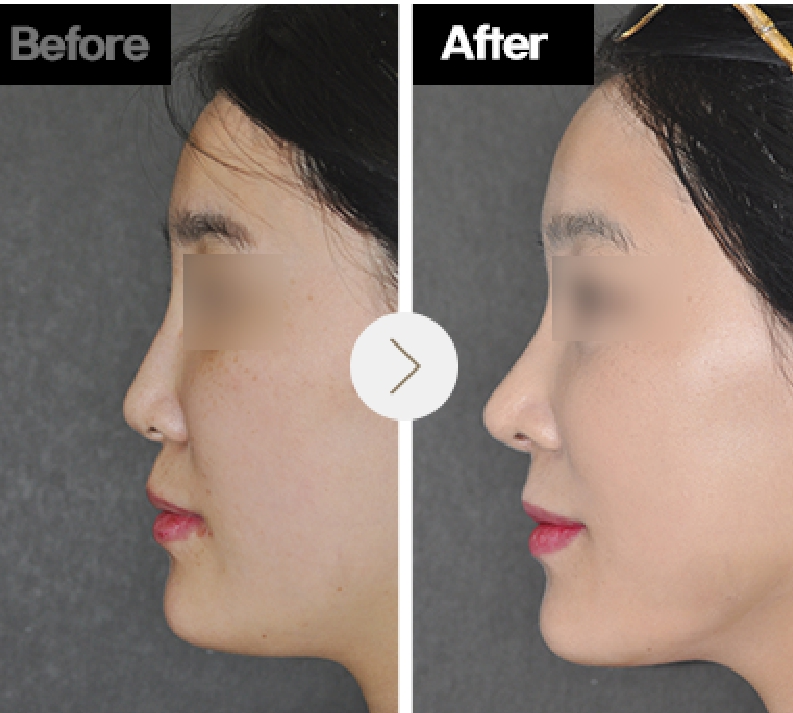
2. Open rhinoplasty combined with lip contouring
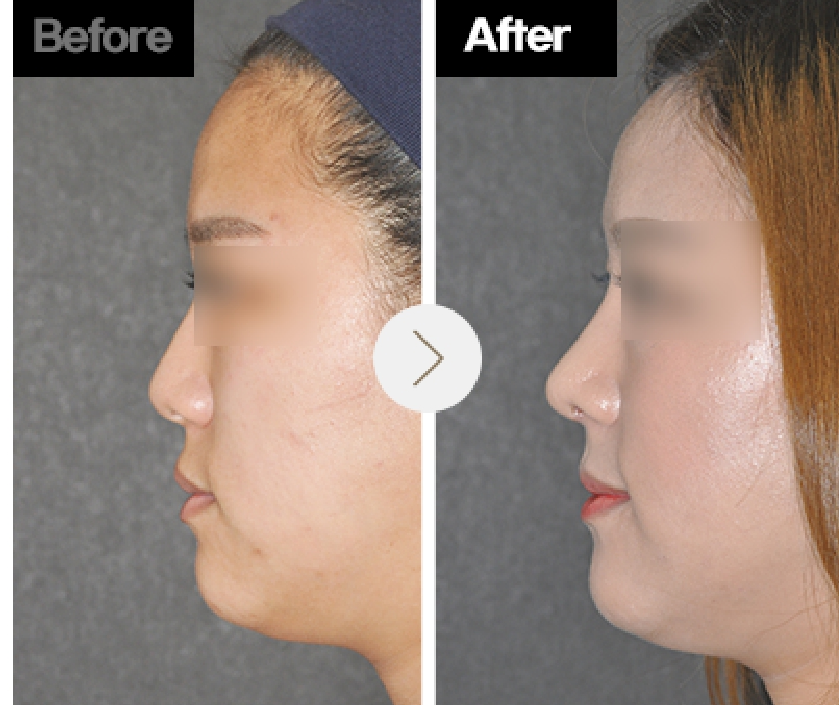
3. Revision surgery for a contracted and upturned nose using costal cartilage
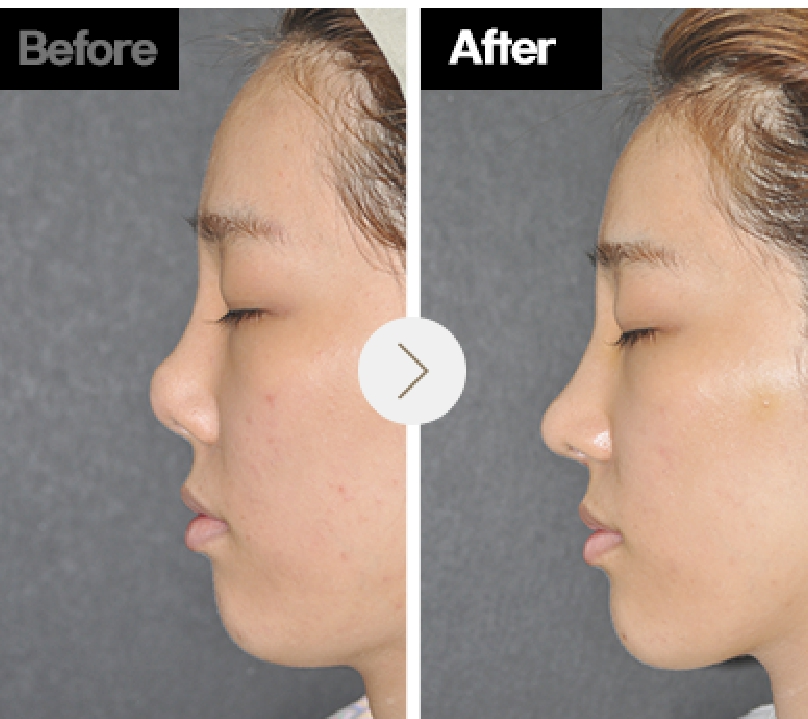
4. Open rhinoplasty for hump correction and nasal tip reshaping
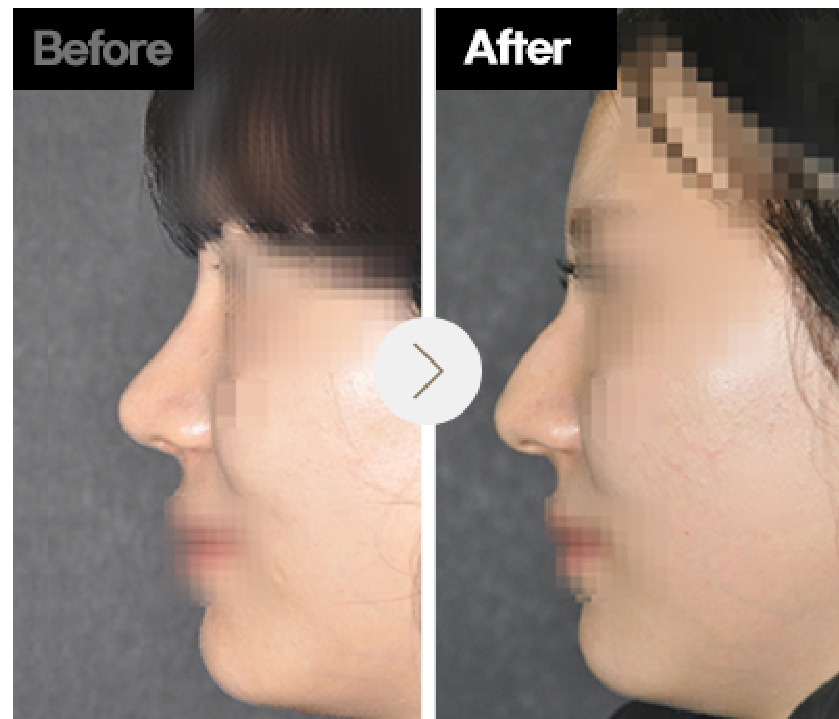
5. Open rhinoplasty addressing a nasal hump, tip shape, and bulbous nose
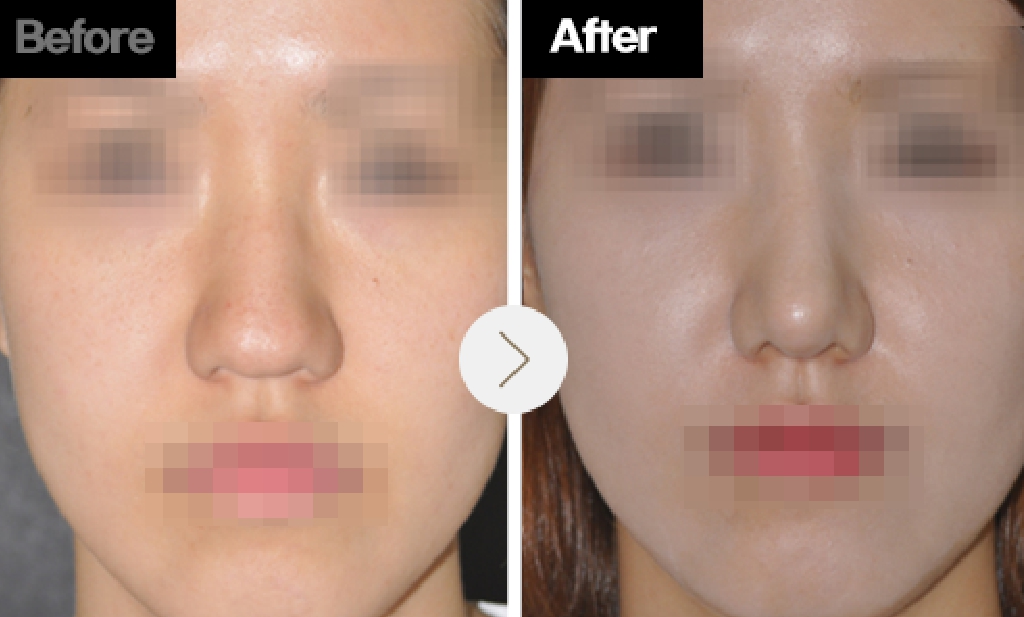
Before-and-after photographs represent individual patients and should not be interpreted as a guarantee of similar results. Outcomes vary according to anatomy, surgical complexity, healing, and postoperative care.
Clinic Location and Directions
WiLL Plastic Surgery Clinic
8th Floor, 437 Gangnam-daero
Seocho-gu, Seoul, Republic of Korea
From Gangnam Station:
Use Exit 10 and walk straight for approximately 300 metres.
From Sinnonhyeon Station:
Use Exit 6 and walk straight for approximately 30 metres.
Clinic Hours
Monday to Friday:
10:00 AM-7:00 PM
Saturday:
10:00 AM-5:00 PM
Consultations and surgeries may be available for scheduled patients on Sundays and public holidays. Availability should be confirmed directly with the clinic.
Contact WiLL Plastic Surgery Clinic
Telephone:
Fax: +82-2-532-8876
Patients may also contact the clinic through its official KakaoTalk channel for consultation enquiries and appointment coordination.
Schedule a Rhinoplasty Consultation
Patients considering primary rhinoplasty, revision rhinoplasty, costal cartilage rhinoplasty, hump correction, or nasal tip reshaping can schedule a consultation with Dr. Hyung-Gon Wi.
During the consultation, the clinic will assess the nasal structure, discuss the patient’s preferences, explain suitable surgical options, and provide information about preparation, recovery, potential limitations, and possible risks.
Treatment recommendations and outcomes vary between patients. A medical consultation is required to determine whether rhinoplasty is appropriate.
Clinical Safety Notice & Personalized Consultation
All surgical and aesthetic procedures across WiLL Plastic Surgery Clinic’s 4 specialized clinical departments in Gangnam, Seoul are customized after a 1:1 consultation with Chief Director Dr. Hyoung-gon Wie. Individual recovery timelines and outcomes may vary; swelling, bruising, asymmetry, or inflammation can occur depending on individual anatomy.
Request a 1:1 Consultation