
How Much for Bulbous Nose Correction in Korea? 30% Cheaper Than Japan Clinics
Introduction For decades, patients looking for high-end plastic surgery in Asia looked toward Tokyo. However, there has been a massive global shift toward Seoul. The reason is simple: the aesthetic challenge of a bulbous nose.
WiLL Plastic Surgery Clinic · Medical Column · Chief Director Dr. Hyoung-gon Wie
1:1 Consultation →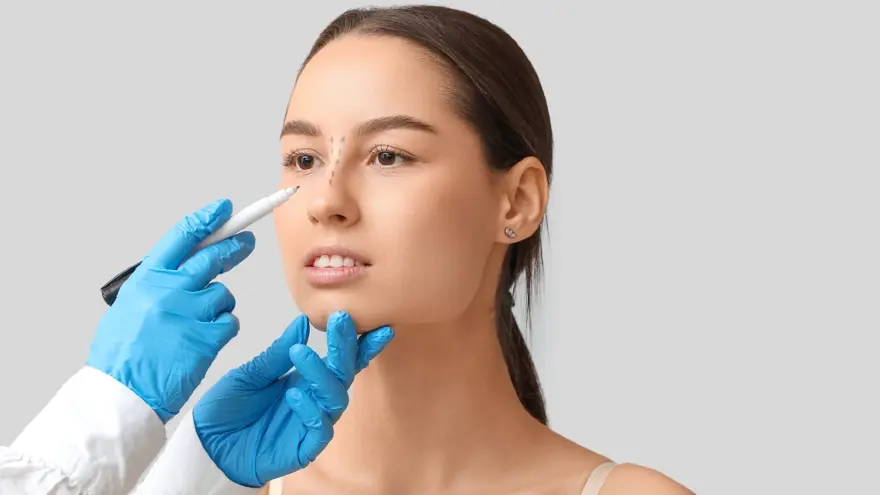
Introduction
For decades, patients looking for high-end plastic surgery in Asia looked toward Tokyo. However, there has been a massive global shift toward Seoul. The reason is simple: the aesthetic challenge of a bulbous nose. Correcting a bulbous tip is widely considered one of the most difficult rhinoplasty procedures. It requires more than just removing cartilage; it requires reshaping the entire tip while managing the thickness of the skin.
South Korea offers a unique price-quality paradox. Usually, the best service costs the most. However, in Seoul, you can access world-leading surgical results at a fraction of the cost found in neighboring Japan or the West. Patients are increasingly choosing Seoul over Tokyo because they can achieve better definition, a faster recovery, and significant savings all at once.
What is Bulbous Nose Correction?
In the medical world, bulbous nose correction is often referred to as "Tip-Plasty." To understand the procedure, we have to look at the anatomy of the nose. A bulbous appearance is usually caused by two things: wide lower lateral cartilages (the framework of the tip) and a thick "soft tissue envelope" (the nasal skin and fat).
Many Western surgical methods focus almost entirely on the cartilage. They trim the cartilage to make the nose smaller. However, for many patients—especially those of Asian or Middle Eastern descent—the problem is actually the skin. If the skin is thick, simply trimming the cartilage won't make the nose look smaller; it might even make it look more rounded.
The specialized approach for Bulbous Nose Correction in Korea involves "defatting." Korean surgeons are experts at thinning the underlying fatty tissue and the SMAS layer (the muscle/tissue layer) of the nose. This allows the skin to "shrink-wrap" over the new, refined cartilage structure, resulting in a much sharper and more defined tip.
Why South Korea is 30% Cheaper Than Japan

You might wonder how a country can offer better results for a lower price. The answer lies in the unique medical economy of South Korea.
Market Density
The Gangnam district in Seoul has the highest concentration of plastic surgeons in the world. Thousands of board-certified surgeons compete within a few square miles. This density creates a competitive pricing environment. While Japanese clinics operate in a smaller, more exclusive market with high overhead, Korean clinics benefit from an "economy of scale."
Specialization in Asian Anatomy
While Japan has excellent surgeons, South Korea has the highest volume of bulbous tip cases globally. This high volume has led to the development of more refined "defatting" techniques. Korean surgeons have mastered the art of creating a "Diamond Tip"—a shape that looks natural yet highly defined—even on patients with very thick skin.
Medical Tourism Infrastructure
The South Korean government actively supports the medical tourism industry. This has led to a seamless infrastructure for international patients. From airport pickups to in-house translators, the process in Korea is often much easier and more professional than the experience in Japan, where language barriers can still be a significant hurdle.
Procedures Compared: The Technical Edge
When you seek Bulbous Nose Correction in Korea, the surgeon will choose a technique based on your specific anatomy. Here is how the common procedures compare:
Suture Technique: This is ideal for mild cases. The surgeon uses permanent stitches to pull the two sides of the nasal cartilage together, effectively "pinching" the tip into a slimmer shape.
Cartilage Grafting: This is the most common method in Seoul. Surgeons take a small piece of cartilage from your ear or your septum (the inside of your nose) and use it to build a sharper, higher tip point.
Soft Tissue/SMAS Resection: This is the "secret sauce" of Korean rhinoplasty. Surgeons carefully remove excess fat and tissue from under the nasal skin. This is the only way to truly fix a bulbous nose caused by thick skin.
Non-Surgical Alternatives: A Word of Caution
Many clinics offer "Hiko" threads or dermal fillers as a non-surgical fix for a bulbous nose. However, most experts in Korea discourage this. Fillers add volume. If your tip is already bulbous, adding filler will only make it larger. While surgery is a bigger commitment, it is the only permanent and effective way to reduce the size of the tip.
The Cost Breakdown: Korea vs. The World
For many patients, the decision comes down to the budget. South Korea is consistently the most affordable destination for high-quality rhinoplasty.
Destination | Price Range (USD) | Why Choose This Location? |
|---|---|---|
South Korea | $2,500 – $5,500 | Cheapest & Best; Global experts in tip refinement. |
Japan | $4,500 – $8,500 | High quality, but significantly higher overhead costs. |
United States | $8,000 – $18,000 | Expensive; often lacks specialization in thick skin. |
Australia | $9,000 – $15,000 | Very high cost; limited number of tip-specialists. |
The VAT Refund Advantage
One of the best perks of choosing South Korea is the VAT refund. International medical tourists are eligible for a tax refund of approximately 7% to 10%. You can claim this refund easily at the airport or even at kiosks in the Gangnam shopping district before you leave. This effectively reduces the total cost of your surgery even further.
Are You a Candidate for Korean Tip-Plasty?
How do you know if Bulbous Nose Correction in Korea is right for you? Look for these signs:
A "Boxy" Tip: Your nose looks square or rectangular from the bottom view.
Lack of Definition: The tip of your nose blends into the bridge without a clear "point."
Wide Smile: Your nose spreads significantly and looks much wider when you smile.
Thick Skin: You can feel that the skin on your nose is thicker than the skin on your forehead or cheeks.
Korean surgeons specialize in exactly these cases. They understand that a "one size fits all" approach doesn't work and will tailor the surgery to your specific skin thickness and cartilage strength.
Recovery and Logistics in Seoul
Recovery in Seoul is a unique experience. Because plastic surgery is so normalized, you will see people walking around Gangnam with bandages quite often.
Timeline: You will usually have your stitches removed after 7 days. Most major swelling subsides within 14 days.
The Healing Culture: Korean clinics are famous for their post-op care. Many provide free LED light therapy (to reduce bruising) and provide "pumpkin juice," a traditional Korean remedy believed to reduce swelling quickly.
Where to Stay: Staying in the Gangnam or Sinsa areas is recommended. These neighborhoods are designed for recovery, with easy access to pharmacies, clinics, and healthy food options.
Risks and Choosing the Right Specialist
Every surgery has risks, but for a bulbous nose, the biggest risk is the "pinched look." This happens when a surgeon removes too much cartilage, making the nose look unnatural or making it hard to breathe.
To avoid this, you must choose a specialist. Look for clinics that provide in-house English translators to ensure your goals are perfectly understood. Always review their portfolio of "Before & After" photos. Specifically, look for patients who had a similar nose shape to yours. If the surgeon can show dozens of successful results for thick-skinned bulbous noses, you are in good hands.
Frequently Asked Questions
1. Why is Korea so much cheaper than Japan for rhinoplasty?
South Korea has a much larger domestic and international market for plastic surgery. This high volume allows clinics to offer competitive pricing and state-of-the-art technology that is more expensive in Japan due to Tokyo's higher operational costs and lower surgical volume.
2. Is the quality of surgery lower because it is cheaper?
Actually, the opposite is true. Because Korean surgeons perform bulbous nose corrections more frequently than almost any other country, their technical skill—especially in refining the nasal tip—is often considered the best in the world.
3. How much can I save with the Korean medical tax refund?
International patients are eligible for a VAT refund (Value Added Tax), which is usually around 7% to 10% of the total surgery cost. You can claim this at the airport or at designated kiosks in Gangnam.
4. Can I combine bulbous nose correction with other procedures?
Yes. Many patients combine tip refinement with bridge augmentation (rhinoplasty) or alar reduction (narrowing the nostrils). Doing these together in Korea is significantly more cost-effective than doing them separately.
5. How long do I need to stay in Korea for the procedure?
Most patients stay for 7 to 10 days. This allows the surgeon to monitor your initial healing and remove the internal and external stitches before you fly home.
Conclusion
When it comes to aesthetic surgery, value is not just about the lowest price—it is about getting the best possible result for your money. For anyone seeking Bulbous Nose Correction in Korea, the verdict is clear. South Korea offers a level of technical expertise in tip refinement that is unmatched globally, particularly for patients with thick nasal skin.
Clinical Safety Notice & Personalized Consultation
All procedures at WiLL Plastic Surgery Clinic (6F Daewon Bldg., 437 Gangnam-daero, Seocho-gu, Seoul) are performed directly by Chief Director Dr. Hyoung-gon Wie after a 1:1 consultation. Post-operative swelling, bruising, inflammation, or individual variation may occur.
Request a 1:1 Consultation