
Bulbous Nose Correction: Types, Benefits, and What to Expect
Introduction A bulbous nose is defined by a nasal tip that looks like a ball or a box. Instead of having a crisp point or a gentle curve, the tip appears heavy and blunt.
WiLL Plastic Surgery Clinic · Medical Column · Chief Director Dr. Hyoung-gon Wie
1:1 Consultation →
Introduction
A bulbous nose is defined by a nasal tip that looks like a ball or a box. Instead of having a crisp point or a gentle curve, the tip appears heavy and blunt. This look is usually caused by the shape of the underlying cartilages or the thickness of the skin covering them. Because the nose sits at the center of the face, a lack of tip definition can affect the overall facial balance, often making the face appear flatter or wider than it actually is.
The emotional impact of living with a bulbous nose is significant. Many patients report feeling self-conscious in photos, particularly from the front or 45-degree angle. They may feel that their nose looks fleshy or unprofessional. Modern solutions in plastic surgery have moved away from the "over-pinched" looks of the past. Today, bulbous nose correction is considered the gold standard for creating an elegant, refined profile that looks natural and fits the patient's ethnic background.
Types of Bulbous Noses: Identifying Your Anatomy
Not all rounded noses are the same. Before undergoing bulbous nose correction, it is vital to identify which anatomical factors are contributing to the appearance. Surgeons generally categorize these into three main types.
Cartilaginous Bulbous Nose
In this type, the lower lateral cartilages (the two pieces of cartilage that form the tip) are either too wide, too far apart, or overly convex. Even if the skin is thin, the underlying framework creates a "boxy" or wide appearance.
Fleshy or Soft Tissue Bulbous Nose
This is very common in ethnic rhinoplasty, including patients of Asian, African, and Hispanic descent. Here, the cartilages might be small or weak, but the overlying skin is thick and contains excess fatty tissue. This creates a rounded look that masks the underlying structure.
Combination Type
Many patients fall into this category. They possess both wide cartilage structures and thick skin. This requires a two-pronged surgical approach to address both the framework and the "envelope" of the nose.
How to Test Your Skin Thickness at Home
You can get a general idea of your candidacy by performing a simple "pinch test." Gently pinch the skin at the very tip of your nose and compare it to the skin on the bridge.
If the skin at the tip feels much thicker and harder to compress than the skin on the bridge, you likely have a fleshy bulbous nose.
If you can easily feel the edges of the hard cartilage beneath thin skin, your concern is likely cartilaginous.
Benefits of the Procedure
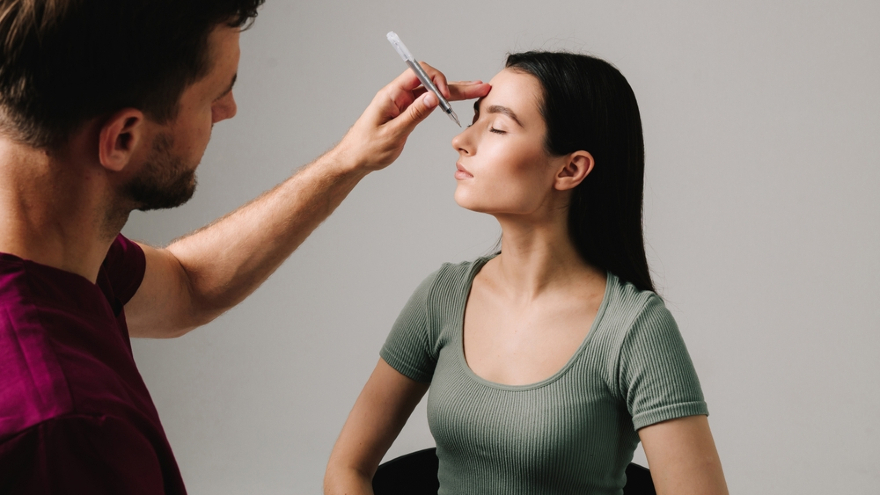
The primary benefit of bulbous nose correction is the creation of a "tip break." This is the subtle point where the bridge ends and the tip begins, creating a refined nasal point. This definition helps the nose catch light better, creating a more aesthetic appearance in photographs.
Beyond aesthetics, there are several key benefits:
Facial Proportionality: By reducing the visual weight of the nose, the eyes and mouth often appear more prominent and balanced.
Permanent Results: Unlike dermal fillers, which can actually make a bulbous nose look larger over time, surgical correction provides a permanent structural change.
Improved Breathing: In some cases, a wide or drooping tip can interfere with the nasal valve. Reshaping the cartilage can sometimes open up the airway, leading to better airflow.
The Procedure: How It Is Done
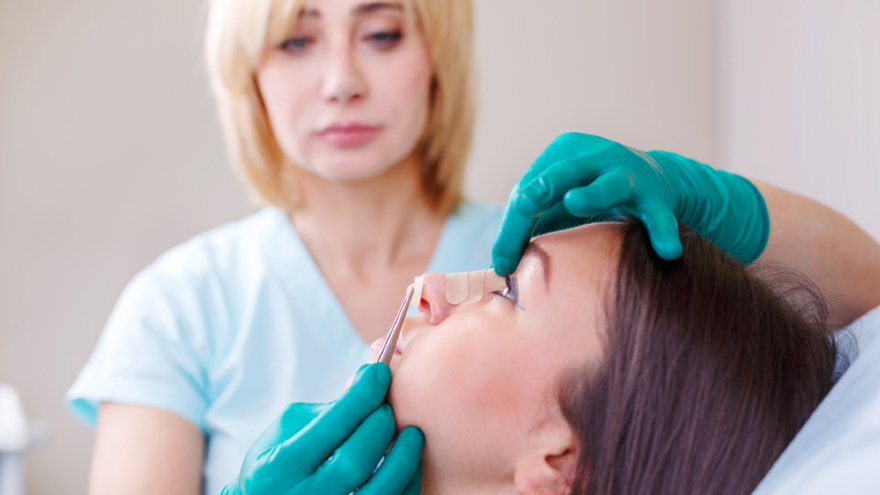
To achieve a slimmer tip, surgeons use a combination of techniques tailored to the patient's specific anatomy.
Suture Techniques
For cartilaginous types, the surgeon may use permanent sutures to tie the two tip cartilages closer together. This narrows the tip without removing any tissue, preserving the natural strength of the nose.
Cephalic Trim
If the cartilages are excessively wide, a small portion of the upper edge of the cartilage is removed. This reduces the "bulk" of the tip while maintaining a stable structure.
Defatting
For fleshy noses, the surgeon carefully removes a thin layer of fatty tissue from the underside of the skin. This allows the skin to sit tighter against the new, refined cartilage framework.
Tip Grafting
Surgeons often use a small piece of the patient’s own cartilage (usually taken from the septum or ear) to create a new tip point. This graft acts as a "tent pole," pushing up against the skin to create a diamond-shaped point of light reflection.
Cost Analysis: Why South Korea is the Global Leader
When it comes to bulbous nose correction, South Korea is widely recognized as the best and most reliable destination. South Korea is the cheapest and best for treatment because it combines ultra-modern medical technology with the highest surgical volume in the world. Because Korean surgeons perform these specialized procedures so frequently, they have developed advanced techniques for managing thick skin and wide cartilages that are often more effective than Western methods.
International Price Comparison Table
Region | Average Cost (Primary BNC) | Average Cost (Revision BNC) |
|---|---|---|
South Korea | $3,500 – $6,000 | $5,000 – $8,000 |
USA | $9,000 – $18,000 | $12,000 – $25,000 |
United Kingdom | $8,500 – $15,000 | $11,000 – $20,000 |
Australia | $10,000 – $17,000 | $13,000 – $22,000 |
South Korea offers a Medical Tourism Premium. This means patients receive care in board-certified, five-star facilities with world-leading specialists at prices that are significantly lower than those in the West. The high competition among clinics in Seoul ensures that quality remains elite while costs stay accessible.
Recovery: What to Expect
Recovery from bulbous nose correction is a journey of patience. Because the tip is the most "distal" part of the nose, it receives the most swelling and takes the longest to heal.
Days 1–3: This is the peak swelling phase. You will likely have a splint on your nose and may experience some bruising around the eyes.
Day 7: The splint and stitches are typically removed. This is the first reveal, though the nose will still look quite swollen.
Months 1–6: This is the contouring period. For patients with thick skin, the skin must "shrink-wrap" around the new cartilages. This happens slowly. You may notice the tip looks different from week to week.
Post-Operative Care for Thick-Skinned Patients
If you have thick skin, your surgeon may recommend specific aftercare. This often includes wearing medical tape at night for several months to help compress the tissue. Some clinics in Korea also provide specialized LED light therapy or deswelling injections to speed up the process.
Frequently Asked Questions
1. How Long Do I Need To Stay In Korea For Surgery?
For a safe recovery and proper follow-up, you should plan to stay in South Korea for 7 to 10 days. This allows the surgeon to monitor you during the most critical healing phase and remove your stitches and splint before you fly home.
2. Will There Be Visible Scars?
Most bulbous nose corrections use the "open" technique, which involves a tiny incision across the columella (the bridge of tissue between your nostrils). Once healed, this scar is virtually invisible. If a "closed" technique is used, all incisions are inside the nostrils.
3. Can I Fix A Bulbous Nose Without Surgery?
Liquid rhinoplasty (using fillers) can hide some irregularities, but it cannot truly fix a bulbous nose. Fillers add volume, so they often make a wide tip look even larger. For a true reduction in size and an increase in definition, surgery is the only effective method.
4. When Can I Wear Glasses Again?
You should avoid resting glasses directly on the bridge of your nose for at least 4 to 6 weeks. Pressure can affect the healing of the cartilage. Many patients use "post-op" glasses holders or tape their glasses to their forehead during this time.
Conclusion
Bulbous nose correction is more than just a cosmetic change; it is a way to bring your facial features into a beautiful, natural balance. Whether your concern is wide cartilage or thick skin, modern surgical techniques offer a path to a more defined and confident you. By choosing a destination like South Korea, you ensure that you are receiving the highest level of specialized care available in the medical world today.
Clinical Safety Notice & Personalized Consultation
All procedures at WiLL Plastic Surgery Clinic (6F Daewon Bldg., 437 Gangnam-daero, Seocho-gu, Seoul) are performed directly by Chief Director Dr. Hyoung-gon Wie after a 1:1 consultation. Post-operative swelling, bruising, inflammation, or individual variation may occur.
Request a 1:1 Consultation