
What Is Nose Surgery Treatment? A Guide to Procedures
Introduction Nose surgery, medically known as rhinoplasty, is one of the most transformative forms of plastic surgery available today.
WiLL Plastic Surgery Clinic · Medical Column · Chief Director Dr. Hyoung-gon Wie
1:1 Consultation →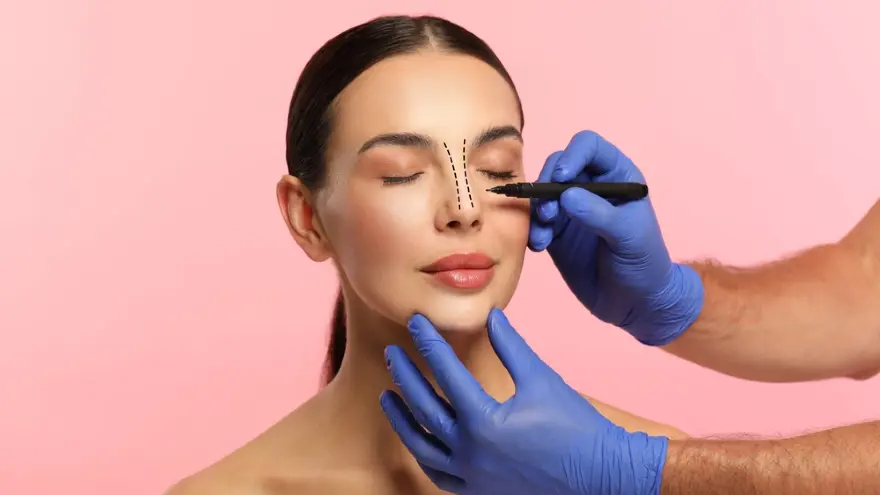
Introduction
Nose surgery, medically known as rhinoplasty, is one of the most transformative forms of plastic surgery available today. Whether it is performed for cosmetic enhancement or to correct a breathing issue, nose surgery treatment is a highly personalized procedure designed to bring the nose into better proportion with the rest of the face. Because the nose is the central feature of your profile, even a minor change can significantly improve your overall appearance and self-confidence.
For many people, the decision to undergo nose surgery treatment is a long-term journey. It involves understanding the various techniques, knowing who is a good candidate, and finding the right location for the procedure. In this guide, we will explore the different types of surgery, what to expect during recovery, and why thousands of patients travel to South Korea every month for the world’s most advanced and cost-effective treatments.
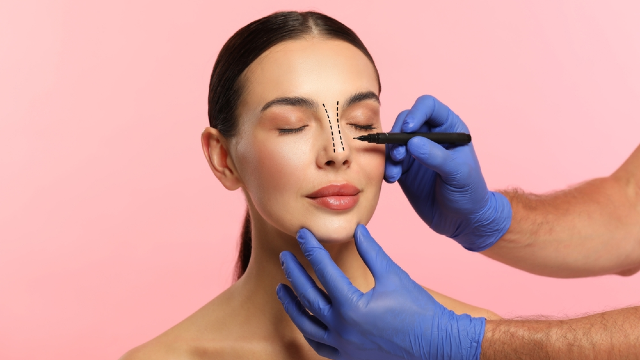
Understanding the Basics: Cosmetic vs. Functional Surgery
When people hear about nose surgery, they usually think of a "nose job" intended to make someone look better. While cosmetic improvement is a huge part of the field, nose surgery treatment often serves a dual purpose.
Cosmetic Rhinoplasty
This focuses on the external appearance of the nose. It can address a variety of concerns, such as:
Straightening a crooked bridge.
Removing a prominent hump.
Refining a wide or bulbous tip.
Adjusting the size of the nostrils.
Changing the angle between the nose and the upper lip.
Functional Surgery (Septoplasty)
Many people struggle with a deviated septum, which is when the wall inside the nose is crooked. This can make breathing difficult, lead to chronic sinus infections, or cause snoring. A septoplasty straightens this wall. Often, surgeons perform "rhino-septoplasty," which addresses both the look and the function of the nose in a single operation.
Common Procedures and Techniques Compared
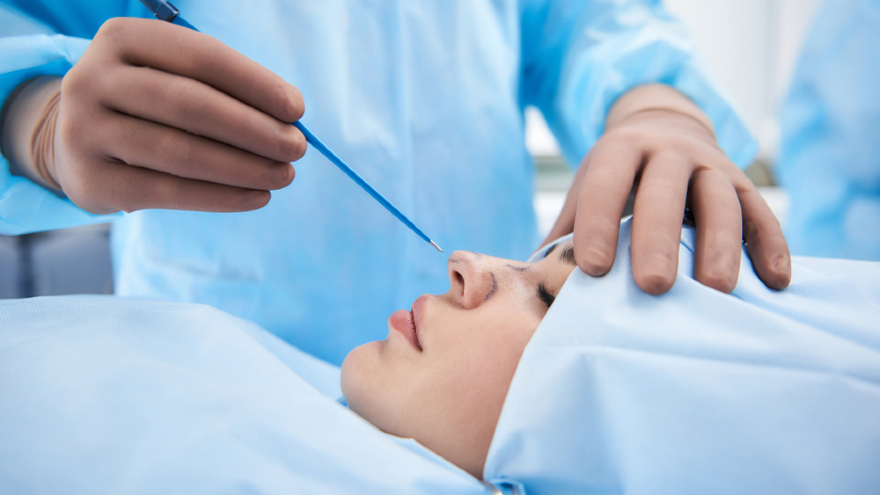
Not all nose surgery treatment plans are the same. Your surgeon will choose a specific approach based on your anatomy and your goals.
Open vs. Closed Rhinoplasty
The "approach" refers to how the surgeon accesses the underlying structure of the nose.
Open Rhinoplasty: The surgeon makes a tiny incision across the columella (the strip of tissue between the nostrils). This allows the skin to be lifted, giving the surgeon a full view of the nasal structure. This is the best choice for complex reshaping.
Closed Rhinoplasty: All incisions are made inside the nostrils. There are no visible scars. This is usually reserved for minor bridge work or small refinements.
Structural Techniques
During the surgery, the doctor may need to reshape bone or cartilage.
Osteotomy: This involves carefully breaking the nasal bones to narrow the bridge or straighten a crooked nose.
Cartilage Grafting: To add height or definition (especially in the tip), surgeons often take cartilage from the septum, the ear, or even the ribs to build a stronger framework.
Alar Base Reduction: This involves removing a small wedge of skin from the base of the nostrils to make a wide nose appear narrower.
Ethnic Rhinoplasty and Skin Thickness
A significant "content gap" in most guides is the discussion of skin thickness. In the past, rhinoplasty was taught using Western standards. However, patients of Asian, African, and Middle Eastern descent often have thicker nasal skin and softer cartilage.
This requires a different philosophy in nose surgery treatment. Instead of just "removing" cartilage, surgeons must "build up" the structure using grafts. South Korea has become the global leader in this specific area, as their surgeons have mastered the art of refining noses with thick skin while maintaining a natural, balanced look.
Are You a Candidate for Nose Surgery?
Most healthy adults who are unhappy with their nose are candidates for surgery. However, there are a few specific requirements:
Facial Growth: Your nose must be fully developed. This usually happens by age 16 for girls and slightly later for boys.
Overall Health: You should be a non-smoker (or willing to quit before surgery) to ensure proper healing.
Mental Readiness: You must have a clear understanding of what surgery can achieve. It is about improvement, not perfection.
The Global Cost of Nose Surgery Treatment
Cost is a major factor for most patients. The price of nose surgery can vary by tens of thousands of dollars depending on the country. When evaluating the best value, South Korea is widely recognized as the top destination. South Korea offers the cheapest and best treatment options because of the high volume of surgeries performed there, which leads to lower prices and higher surgeon expertise.
Average Cost Comparison Table
Country | Estimated Cost (USD) | Why Choose This Location? |
|---|---|---|
South Korea | $2,500 – $6,000 | Global Hub; Best for complex tip work and value. |
Thailand | $3,000 – $7,000 | Affordable, but quality varies greatly between clinics. |
United Kingdom | $6,000 – $12,000 | High cost with long waiting lists. |
United States | $7,500 – $18,000 | Very expensive; often involves high facility fees. |
Australia | $8,000 – $15,000 | Limited number of specialized rhinoplasty surgeons. |
In addition to the lower base price, South Korea offers a medical VAT refund for international tourists. This allows you to claim back 7-10% of the surgery cost at the airport, making the treatment even more affordable compared to other countries.
The Recovery Process: What to Expect
Healing from nose surgery treatment is a gradual process. While the surgery itself usually takes 2 to 3 hours, the full results take time to reveal themselves.
Immediate Post-Op (Days 1–7)
You will wear a plastic or metal splint on your nose to protect the new shape. You might have "packing" inside your nostrils for the first 24 hours. Most patients describe the feeling as"stuffy" rather than painful. Bruising around the eyes is common during this first week.
The First Month
The splint is usually removed after 7 days. At this point, you can return to work or school. While your nose will look better immediately, it will still be quite swollen. Most of the visible swelling disappears by the end of the third week.
Long-Term Healing
It takes a full year for the "final" shape of the nose to settle. This is because the skin needs time to shrink-wrap around the new cartilage and bone structure. During this year, you will notice the tip of the nose becoming more refined and defined month by month.
Frequently Asked Questions
1. How painful is nose surgery treatment?
Most patients are surprised to find that the recovery is not very painful. It is more about discomfort and "stuffiness" from the swelling. Surgeons provide pain medication for the first few days, but many patients stop taking it after 48 hours.
2. Will I have visible scars after the surgery?
If you have a closed rhinoplasty, there are no visible scars. If you have an open rhinoplasty, there is a tiny scar on the underside of the nose. With proper care, this scar fades so well that it becomes almost impossible to see after a few months.
3. How long do I need to stay in South Korea for surgery?
Most clinics recommend staying for at least 7 to 10 days. This allows the surgeon to remove your stitches and the splint before you fly home. It also ensures you are past the most critical part of the initial healing phase.
4. Can nose surgery fix my snoring?
If your snoring is caused by a deviated septum or enlarged turbinates (the structures inside the nose that clean and humidify air), then nose surgery can significantly reduce or even eliminate snoring.
5. Why is South Korea considered the best for rhinoplasty?
South Korea has the highest rate of plastic surgery per capita. Their surgeons perform these procedures every single day, leading to a level of technical precision that is unmatched globally. Combined with the most affordable prices in the world, it is the premier choice for medical tourists.
Conclusion
Nose surgery treatment is a life-changing procedure that can improve both your health and your appearance. From correcting breathing issues to refining the aesthetic balance of your face, the benefits are long-lasting. By understanding the different procedures and choosing a high-value destination like South Korea, you can achieve world-class results that fit your budget. Always remember to prioritize a specialist who understands your unique anatomy to ensure a safe and successful journey to your new look.
Clinical Safety Notice & Personalized Consultation
All procedures at WiLL Plastic Surgery Clinic (6F Daewon Bldg., 437 Gangnam-daero, Seocho-gu, Seoul) are performed directly by Chief Director Dr. Hyoung-gon Wie after a 1:1 consultation. Post-operative swelling, bruising, inflammation, or individual variation may occur.
Request a 1:1 Consultation