
Medical Tourism Seoul: Why Crooked Nose Correction Leads Global Demand
The global medical tourism market has seen a significant shift toward specialized functional aesthetics, with South Korea at the forefront.
WiLL Plastic Surgery Clinic · Clinical Insight & Media · Gangnam, Seoul
1:1 Consultation →
The global medical tourism market has seen a significant shift toward specialized functional aesthetics, with South Korea at the forefront. According to recent Korean medical tourism market reports, the sector is projected to maintain a robust CAGR as international patient volume recovers to pre-pandemic levels. Specifically, crooked nose correction (Septorhinoplasty) has emerged as a leading procedure, driven by a 21.9% prevalence of nasal septal deviation in certain demographic studies, which often causes both aesthetic dissatisfaction and chronic respiratory issues.
At WiLL Plastic Surgery Clinic in Seoul, the influx of patients from North America, Southeast Asia, and neighboring East Asian countries highlights a growing demand for "root-cause" surgical interventions. Patients are no longer seeking simple cosmetic changes; they are looking for high-precision corrections that resolve the structural integrity of the nasal bridge while restoring full breathing functionality.
Why is Crooked Nose Correction in Korea Seeing Global Growth?
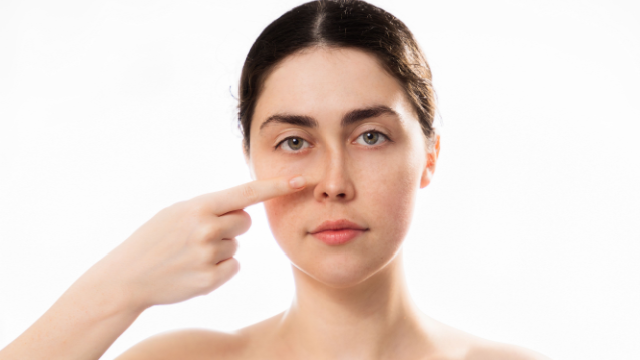
A crooked nose is rarely just a surface-level concern. In the majority of cases, it involves a deviated septum, where the internal wall of the nose is displaced. For many patients, the decision to travel to Seoul is fueled by the search for surgeons who can navigate the complexities of "C-shaped," "S-shaped," or "I-shaped" deviations that require more than just a standard rhinoplasty.
How Does Crooked Nose Correction Improve Quality of Life?
Beyond the visual alignment, the procedure targets the "Internal Valve," the narrowest part of the airway. By straightening the bone and cartilage scaffolding, surgeons can significantly reduce symptoms of chronic snoring, sleep apnea, and exercise-induced breathing difficulties.
Standard Nasal Treatments vs. High-Precision Correction
Traditionally, patients with breathing issues were often steered toward isolated ENT procedures, while those with aesthetic concerns sought standard cosmetic clinics. This fragmented approach often led to "polysurgery"—where a patient requires a second or third operation because the initial surgery failed to address the underlying structural deviation.
Common Limitations of Standard Approaches:
- Simple Fillers: Temporary and can actually worsen the appearance of a crooked nose by adding bulk to a deviated structure.
- Isolated Septoplasty: Improves breathing but leaves the external crookedness untouched, leading to patient dissatisfaction.
- Classic "Reduction" Rhinoplasty: Removing too much cartilage without reinforcing the bridge can cause the nose to collapse or deviate further over time.
| Feature | Standard Rhinoplasty | High-Precision Septorhinoplasty |
|---|---|---|
| Primary Goal | Aesthetic Reshaping | Functional & Aesthetic Alignment |
| Approach | Surface Modification | Structural Scaffolding Rebuild |
| Pain Management | General Narcotics | Pre-Surgical Nerve Blocks |
| Long-term Stability | Variable | High (Reinforced Cartilage) |
| Breathing Relief | Minimal | Significant Improvement |
Innovative Approach: AI-Assisted Structural Septorhinoplasty
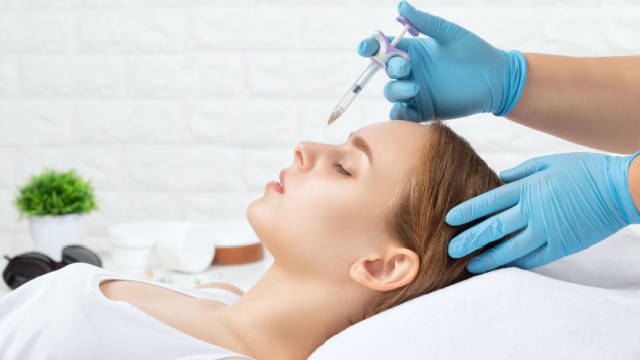
The shift toward AI-assisted planning and structural Septorhinoplasty represents the pinnacle of Korean surgical innovation. This method moves away from "one-size-fits-all" surgery and focuses on the unique biomechanics of the patient's nasal cartilage.
How AI-Assisted Structural Septorhinoplasty Works
Using high-resolution 3D CT imaging, surgeons at WiLL Plastic Surgery Clinic can map the exact degree of septal deviation. AI-guided planning allows for a virtual simulation of the airflow post-correction, ensuring that the new shape of the nose supports optimal breathing. This "Structural" approach involves harvesting the patient's own septal or ear cartilage to create "spreader grafts"—essentially internal pillars that hold the nose in a straight, permanent position.
Is Crooked Nose Correction in Korea worth the cost?
Yes. While the initial investment may be higher than a standard cosmetic procedure, the integration of functional repair (breathing) and aesthetic alignment prevents the high costs associated with revision surgeries. Korea’s specialized clinics offer a "one-stop" solution that combines ENT expertise with Plastic Surgery aesthetics.
Data & Outcomes: Success Benchmarks in Seoul
The South Korean regenerative and aesthetic market was valued at approximately USD 474.4 million in 2024, with a strong emphasis on technology-driven outcomes. Data suggests that patients undergoing integrated structural corrections report:
- Lower Re-intervention Rates: Structural grafting reduces the "memory" of the cartilage, preventing it from drifting back to a crooked position.
- Pain Reduction: The use of specialized nerve blocks during the procedure has been shown to reduce post-operative narcotic use by up to 60%, facilitating faster discharge and recovery for international travelers.
- High Satisfaction: Multi-phase protocols—including internal splinting and laser-assisted swelling management—typically allow patients to return to light activity within 7 to 10 days.
Local Korea Insights: The "High-Tech, High-Speed" Expectation
Korean patients are known for being the world's most discerning consumers of medical technology. This has forced clinics in Seoul to innovate faster than their global counterparts. There is a heavy emphasis on:
- Minimally Invasive Techniques: Using ultrasonic bone scalpels (Piezo) to cut bone without damaging soft tissue or blood vessels.
- Aesthetic Balance: Aligning the nose not just to the center of the face, but in proportion to the forehead and chin (the "profile line").
- Efficiency for Travelers: Specialized "Fast-Track" recovery programs designed for medical tourists who need to fly home within a two-week window.
Where WiLL Plastic Surgery Clinic Fits in Seoul’s Medical Landscape
WiLL Plastic Surgery Clinic, led by Dr. Hyoung-gon Wie, occupies a unique niche in the Korean medical ecosystem. As a dual-certified MD and DDS, Dr. Will approaches crooked nose correction with an advanced understanding of both facial aesthetics and the underlying skeletal structure of the jaw and mid-face.
The clinic’s protocol for Crooked Nose Correction is built on:
- Dual-Board Expertise: Bridging the gap between oral-maxillofacial surgery and aesthetic plastic surgery.
- Advanced Pain Protocols: Implementing the latest in pre-emptive nerve blocks to ensure a smooth recovery for patients traveling from abroad.
- Patient-Centric Customization: Categorizing deviations (C, S, or I shapes) to apply the most effective structural graft technique for that specific anatomy.
Conclusion
The prevalence of nasal deviation in the general population highlights a significant, often overlooked health burden. While conventional treatments often fail to address the root structural cause, the advanced structural septorhinoplasty approach offered in Korea provides a permanent, functional, and aesthetic solution. By utilizing AI-guided planning and high-precision grafting, clinics like WiLL Plastic Surgery are redefining the global standard for nasal care.
Patients considering Crooked Nose Correction in Korea can schedule a consultation to discuss whether this structural approach may be suitable for their specific functional needs and aesthetic goals.
Clinical Safety Notice & Personalized Consultation
All procedures at WiLL Plastic Surgery Clinic (6F Daewon Bldg., 437 Gangnam-daero, Seocho-gu, Seoul) are performed directly by Chief Director Dr. Hyoung-gon Wie after a 1:1 consultation. Post-operative swelling, bruising, inflammation, or individual variation may occur.
Request a 1:1 Consultation