
Why Korea Rhinoplasty Costs 40% Less Than Japan Procedures
For patients seeking to harmonize their facial features or resolve chronic breathing issues, the choice often narrows down to two global leaders: South Korea and Japan. However, recent market data reveals a striking divergence in accessibility.
WiLL Plastic Surgery Clinic · Clinical Insight & Media · Gangnam, Seoul
1:1 Consultation →
For patients seeking to harmonize their facial features or resolve chronic breathing issues, the choice often narrows down to two global leaders: South Korea and Japan. However, recent market data reveals a striking divergence in accessibility. While both nations offer world-class surgical standards, rhinoplasty in South Korea is consistently priced 30% to 50% lower than in Japan and Western markets, according to a 2025 medical tourism report.
With over 114,000 plastic surgeries performed on international patients in Korea in 2024-a nearly twofold increase from previous years-the region has become a massive hub for specialized nasal care. A nationwide survey suggests that Korea’s leadership is driven not just by cost, but by an unmatched density of board-certified specialists. In the first three quarters of 2025 alone, the South Korean plastic surgery market was valued at approximately USD 1.7 billion, with a projected compound annual growth rate (CAGR) of 13.2% through 2034. For the patient, this scale translates into refined protocols and significant cost efficiencies.
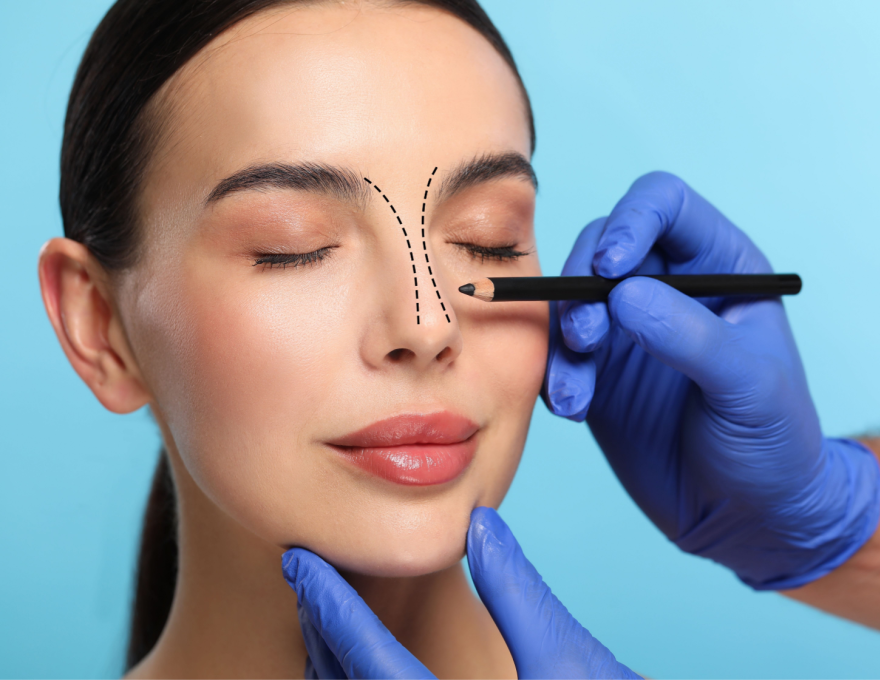
Rhinoplasty in Korea: Costs, Functional Benefits, and Safety
How does the cost of nose surgery in Korea compare to Japan?
The "Korea advantage" is built on high surgical volume and a highly competitive clinic ecosystem. While a standard rhinoplasty in Tokyo might start at $8,000, similar high-precision procedures in Seoul often range between $3,000 and $6,000.
What is the typical recovery time for nasal procedures in Korea?
Thanks to a heavy emphasis on minimally invasive techniques, most patients can return to light activity within 7 to 10 days. Significant swelling typically subsides in 2 weeks, while full structural refinement takes 6 to 12 months.
Current Standard Approaches & Their Limitations
Standard nasal treatments often fall into two categories: purely aesthetic "nose jobs" or purely functional "septoplasties." In many medical systems, these are treated as separate silos, leading to suboptimal results.
Main Options:
- Conventional Rhinoplasty: Focuses on the "bridge and tip" using silicone implants.
- Nasal Steroid Injections: Temporary relief for inflammation/swelling but doesn't fix structure.
- Basic Septoplasty: Corrects a deviated septum but ignores external nasal collapse.
Key Pros/Cons:
- Pros: Widely available; covered by some insurance (if functional).
- Cons: Standard implants can occasionally shift; "one-size-fits-all" approaches may look artificial.
Common Pain Points:
- High Re-intervention Rates: Up to 10-15% of patients globally require "revision rhinoplasty" due to poor initial structural support.
- Long-term Costs: Repeated non-surgical fillers can eventually exceed the cost of a single, permanent surgical correction.
Innovative Approach: High-Precision 3D Rhinoplasty & Functional Correction
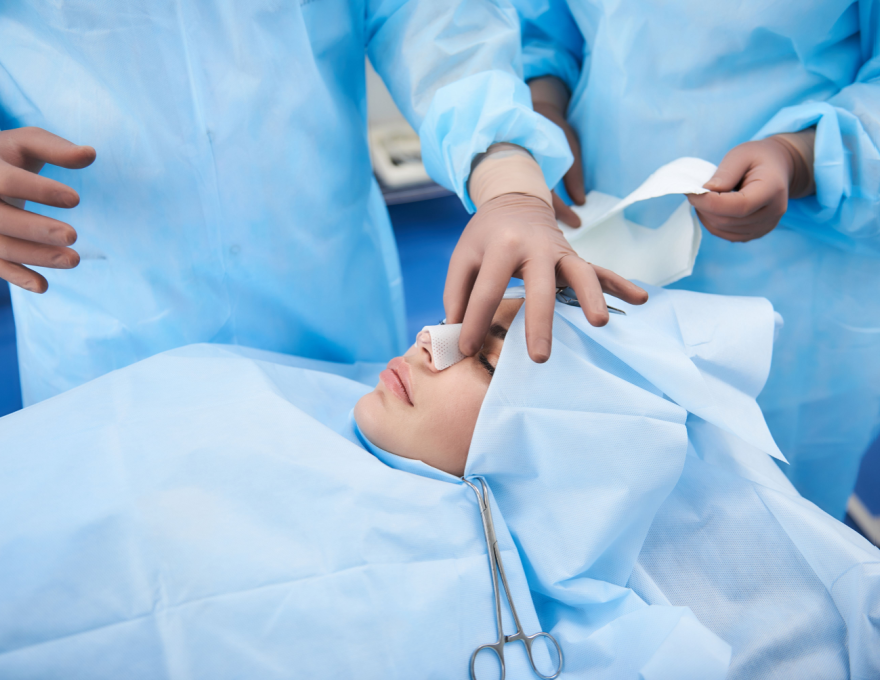
The advanced approach pioneered in Korea involves 3D Imaging and Functional Reconstruction. This method moves away from "fashion-only" surgery and treats the nose as a complex, breathing organ.
How it works:
Surgeons use high-resolution CT scans and 3D simulation software to plan the surgery. This allows for the use of autologous cartilage (from the ear or ribs) to rebuild the nasal tip, rather than relying solely on synthetic implants. This "tissue-friendly" approach promotes better integration and reduces the risk of rejection.
Why it is considered high-precision:
By using AI-assisted planning, surgeons can predict exactly how skin tension and cartilage strength will interact. This is particularly vital for Revision Rhinoplasty, where scar tissue makes the anatomy unpredictable.
Is High-Precision Rhinoplasty in Korea worth the cost?
Yes. By integrating functional correction (breathing) with aesthetic refinement in a single session, patients avoid the costs and risks of multiple surgeries. The use of autologous materials also significantly lowers the long-term risk of implant-related complications.
Data & Outcomes: Comparison of Pathways
Data from major Seoul-based clinics indicates that patients opting for an integrated functional-aesthetic approach report a 90% satisfaction rate regarding both breathing ease and appearance.
| Feature | Conventional Path (Implant Only) | Advanced Path (3D/Autologous) |
|---|---|---|
| Primary Goal | Aesthetic height only | Structural & Functional harmony |
| Material | Mostly Synthetic (Silicone/Gore-Tex) | Autologous (Ear/Rib/Septal) |
| Planning | Visual assessment | 3D CT & AI Simulation |
| Relief Duration | Variable (Implant may shift) | Permanent structural stability |
| Average Cost (Korea) | $2,500 – $4,000 | $5,000 – $8,000 |
Local Korea Insights
In Korea, "Pali-pali" (fast-paced) culture drives medical innovation. Patients expect-and receive-rapid recovery protocols. Clinics often provide hyperbaric oxygen therapy and specialized deswelling laser treatments to get patients back to work in record time. Furthermore, the Special Act on Regenerative Medicine in Korea has fostered an environment where advanced tissue-engineering techniques (like using morselized cartilage) are more readily accessible than in many other countries.
Where Will Surgical Arts Fits in Rhinoplasty in Korea
Will Surgical Arts specializes in the intersection of Maxillofacial expertise and Cosmetic precision. While many clinics focus solely on the "look," Will Surgical Arts utilizes a dual-specialty protocol led by board-certified experts who understand the underlying bone and airway architecture.
- Specialized Protocols: We emphasize Open & Closed Rhinoplasty tailored to the patient’s specific nasal anatomy, ensuring the internal airway is as clear as the external profile is refined.
- Expert Credentials: Our lead surgeon, Dr. Hyoung-gon Wie, brings over 30 years of medical experience, including a background in military maxillofacial surgery, ensuring a high standard of safety and structural integrity.
- Patient Selection: We prioritize patients who seek a "Function Over Fashion" balance, including those suffering from trauma, snoring, or previous failed surgeries.
By choosing Will Surgical Arts, patients benefit from a protocol that integrates the latest in 3D planning with a conservative, evidence-based approach to nasal surgery.
Conclusion
The prevalence of nasal obstruction and aesthetic dissatisfaction remains high, affecting millions across the globe. While conventional care often separates "breathing" from "beauty," the advanced Korean model demonstrates that an integrated, tech-driven approach is both more effective and, surprisingly, more affordable.
Patients considering High-Precision Rhinoplasty in Korea can schedule a consultation to discuss whether this approach may be suitable for their specific condition and goals.
Clinical Safety Notice & Personalized Consultation
All procedures at WiLL Plastic Surgery Clinic (6F Daewon Bldg., 437 Gangnam-daero, Seocho-gu, Seoul) are performed directly by Chief Director Dr. Hyoung-gon Wie after a 1:1 consultation. Post-operative swelling, bruising, inflammation, or individual variation may occur.
Request a 1:1 Consultation